
View All Services About Us Contact Us
Jebel Ali Port is a major entry and distribution point for goods moving into Dubai and other parts of the UAE. For importers, food distributors, logistics companies and manufacturers handling temperature-sensitive products, arranging the right road transport after cargo release is an important part of the supply chain.
Refrigerated truck transport at Jebel Ali Port can help businesses move suitable chilled and frozen cargo from port-related facilities to warehouses, distribution centres and commercial destinations. The right vehicle depends on the shipment size, required temperature, collection arrangements and final destination.
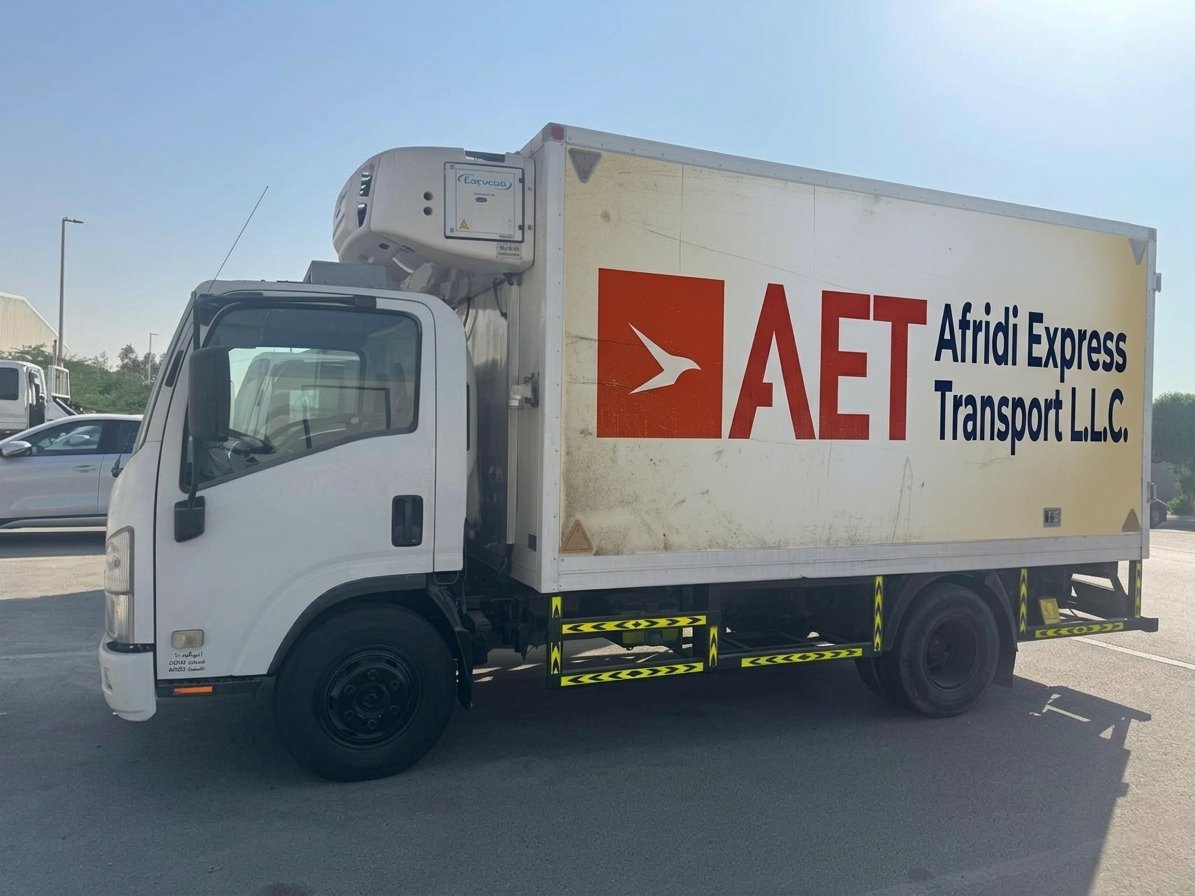
Afridi Express Transport offers refrigerated truck rental services for businesses requiring temperature-controlled transportation. For shipments moving through Jebel Ali and JAFZA, the team can be contacted to discuss route requirements and confirm service availability.
Why Refrigerated Truck Transport Matters at Jebel Ali Port
Jebel Ali connects maritime freight with logistics facilities, free-zone businesses and road distribution networks. The wider Jebel Ali and JAFZA area serves businesses across sectors including food and agriculture, logistics, manufacturing and healthcare distribution.
When imported goods require temperature control, the road journey after collection must be planned as part of the cold chain. Port cold-storage facilities and reefer-container infrastructure serve different purposes from a refrigerated road truck, which transports cargo between locations.
A suitable refrigerated truck may be required for movements such as:
- Port-related collection points to warehouses
- Jebel Ali logistics facilities to JAFZA businesses
- Cold-storage facilities to distribution centres
- Food and FMCG warehouses to retailers or commercial customers
- Dubai logistics facilities to destinations in Abu Dhabi or Fujairah
Refrigeration is only necessary when the product requires it. Dry cargo and other non-temperature-sensitive goods may need a different transport solution.
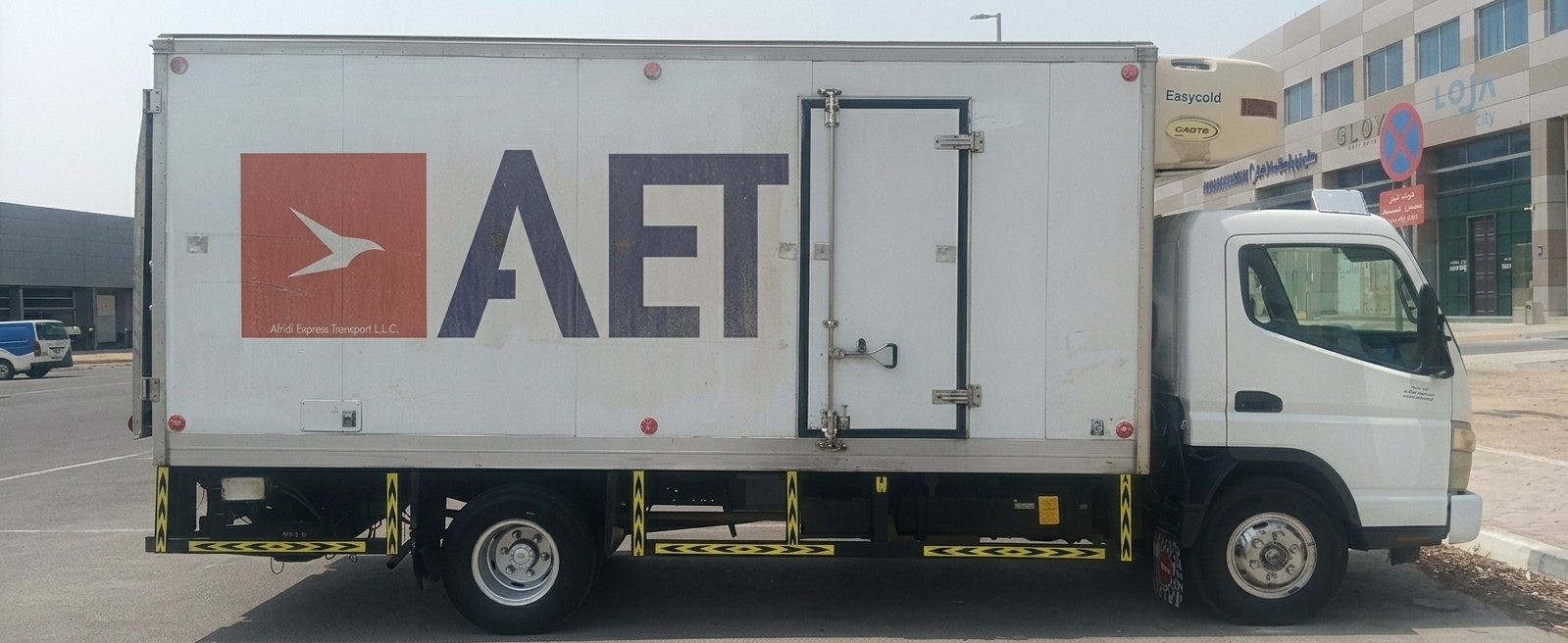
Refrigerated Truck Transport from Jebel Ali Port to JAFZA
Jebel Ali Port and JAFZA are closely connected within Dubai’s logistics network. Businesses operating in this area may need to transfer temperature-sensitive goods between collection points, storage facilities, warehouses and distribution operations.
For importers and third-party logistics providers, the main considerations are cargo readiness, collection timing, vehicle suitability and receiving-facility availability.
Before arranging transport, confirm:
- Whether the shipment is chilled, frozen or requires another specified temperature
- The cargo’s weight, dimensions and packaging
- The collection point and receiving warehouse
- Loading arrangements and the delivery window
- Any monitoring records or handling requirements needed by the customer
Providing these details in advance helps the transport provider assess the appropriate vehicle and delivery arrangements.
Refrigerated Truck Deliveries from Dubai to Abu Dhabi
Some shipments collected in the Jebel Ali area continue to warehouses, distributors and industrial facilities in Abu Dhabi.
Depending on the delivery destination, businesses may require transportation towards Musaffah, ICAD or KIZAD. The route, cargo volume and delivery schedule should be confirmed before dispatch, particularly when the shipment contains perishable goods.
For food and FMCG distributors, planned deliveries can help coordinate warehouse receiving times and onward distribution. For pharmaceutical or healthcare products, the transport arrangement must also match the product’s specified temperature range and applicable handling requirements.
Afridi Express Transport can be contacted to discuss refrigerated truck requirements for Dubai-to-Abu Dhabi movements and confirm whether the requested route and schedule can be accommodated.
Refrigerated Cargo Transport from Jebel Ali to Fujairah
Fujairah is another potential destination for businesses distributing goods from Dubai’s logistics network. Depending on the shipment, a refrigerated truck may be used for suitable cargo moving from a Jebel Ali collection point to a Fujairah warehouse, distributor or commercial facility.
Longer journeys require careful planning. Businesses should confirm the cargo’s temperature requirements, expected travel time, loading schedule and delivery arrangements before booking.
For seafood, chilled food, frozen products and other perishable goods, the vehicle must be appropriate for the product rather than selected on distance or price alone.
Which Industries Need Refrigerated Truck Transport?
Food and FMCG Distribution
Food importers, wholesalers, supermarkets and distributors may need temperature-controlled vehicles to transfer suitable chilled or frozen products between warehouses and delivery points.
Third-Party Logistics Providers
3PL companies may require additional refrigerated transport capacity for customer shipments, warehouse transfers or periods of higher demand. The vehicle should match each shipment’s load and handling requirements.
Pharmaceutical and Healthcare Distribution
Certain pharmaceutical and healthcare products require controlled temperatures during transportation. Businesses should confirm product-specific requirements, monitoring expectations and any applicable compliance conditions before arranging a vehicle.
Manufacturing and Commercial Supply Chains
Manufacturers and suppliers may need refrigerated transportation when moving temperature-sensitive ingredients, finished products or other materials between facilities. The correct transport method depends on the goods being carried.
How to Select the Right Refrigerated Truck
Choosing a vehicle involves more than checking whether it has a cooling unit. Consider the following points before confirming a booking.
Temperature range: Tell the provider the exact temperature specified for your cargo and confirm that the vehicle can maintain it.
Load capacity: Share the shipment’s estimated weight, volume and dimensions so that the vehicle can be matched to the load.
Route and timing: Provide the collection point, destination, required delivery time and any additional stops.
Monitoring requirements: Ask how the cargo temperature is monitored and whether records are available if your business requires them.
Cost and rental terms: Confirm the quoted price, rental duration, waiting-time arrangements and any additional charges before dispatch.
For larger-volume shipments, a refrigerated trailer may be more suitable than a truck. The correct option depends on the cargo, loading arrangements and required capacity.
Refrigerated Truck vs Refrigerated Trailer
Both vehicle types support temperature-controlled road transportation, but they may suit different operational needs.
A refrigerated truck may be appropriate for shipments where the truck’s available cargo capacity and delivery arrangements meet the requirement. A refrigerated trailer may be more suitable for larger-volume loads or particular fleet and logistics operations.
Businesses should compare the actual vehicle capacity, loading requirements, route and temperature specification before choosing.
For larger shipments, explore Afridi Express Transport’s Refrigerated Trailer Rental Service. For truck requirements, visit the Refrigerated Truck Rental Service.
Arrange Refrigerated Truck Transport with Afridi Express Transport
If your shipment is moving through Jebel Ali Port or JAFZA, Afridi Express Transport can discuss your temperature-controlled transportation requirements.
Whether your planned delivery is within Dubai or towards Abu Dhabi, Musaffah, KIZAD or Fujairah, share your cargo details and destination to confirm available service options.
To request a quotation, provide the collection point, delivery location, cargo type, required temperature, load size and preferred delivery date.
Contact Afridi Express Transport
- Phone: +971 50 263 6880
- Email: sales@afridiexpresstransport.com
- Website: https://afridiexpresstransport.com/contact-us/
Plan your port-to-warehouse movement around the cargo’s actual temperature and delivery requirements to help maintain an effective cold chain.